Solar power has found a comfortable home in northwest Georgia. You see it on rooftops along Happy Valley Road, on farm outbuildings near Mack Smith Road, and on a growing number of small commercial sites along Battlefield Parkway. The sunshine is generous, but the valley’s air carries a mix of pollen, dust from nearby quarries and construction, and the occasional soot from traffic and wood stoves. All of it settles on glass. For solar, that thin film is not just cosmetic. It is lost kilowatt hours.
I work with property owners from Rossville to Chickamauga and Fort Oglethorpe, and I can tell you that cleaning is not one-size-fits-all. The same goes for soft washing, which many homeowners use for siding, gutters, and roofs. The climate here demands a careful approach tailored to the surfaces and the season. Done right, you protect your investment and keep the place looking sharp. Done wrong, you can etch coatings, force water where it should never go, and chase short-term shine at the expense of long-term performance.
Why Rossville’s conditions are deceptively harsh on panels and exteriors
Spring brings a yellow-green wave of pine and hardwood pollen. It sticks to panels and vinyl siding, then bakes under long sun hours. Storm fronts that roll off Lookout Mountain kick up dust and grit, which mix with pollen to create a thin paste. Summer adds algae on the north sides of buildings where shade and humidity linger. Fall leaf tannins leave brownish stains in gutters and on roof edges. Winter usually stays mild, but freezing fog and the occasional ice event can leave mineral-laden water spots on glass.
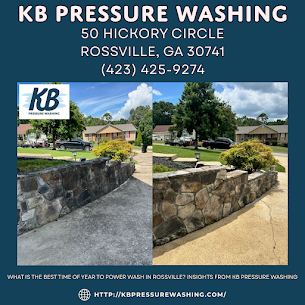
For solar panels, the combination means two practical issues. First, a steady, uniform reduction in light reaching the cells. Second, hot spots where debris concentrates, which can raise temperatures and nudge microcracks to spread. For siding and roofs, harsh blasting might clear visible growth but damages granules or compromises sealants. The right cleaning schedule and method in this area accepts that gentle, frequent touch beats aggressive, occasional intervention.
What a clean solar array is worth in kilowatt hours
Numbers vary with roof pitch, tilt, distance to trees, and nearby dust sources, but a typical Rossville residential array sees 3 to 8 percent performance loss from soiling in a single season if left alone. Along gravel roads or near active construction, double that is not unusual. On a 7 kW system that produces roughly 9,000 to 10,500 kWh per year in this latitude, a 5 percent loss sits around 450 to 525 kWh. At residential rates between 11 and 14 cents per kWh, that is 50 to 75 dollars a year, sometimes more if time-of-use or demand charges apply.
The economics become clearer with a little discipline. Two to four light cleanings a year with proper technique usually cost less than the energy they return over the system’s life, especially when you also catch cracked clamps, lifted wiring, or nesting debris during the visit. After a major pollen burst or a long dry spell, cleaning can bring back several percentage points overnight.
The difference between cleaning and soft washing
These two terms often get mashed together but they are not interchangeable. Solar panel cleaning is a specialized version of glass cleaning on a power-producing surface with electrical connections and protective coatings. Soft washing refers to a low-pressure wash process, usually under 300 psi, paired with surfactants, and sometimes diluted sodium hypochlorite for biological growth on roofs, stucco, vinyl, and painted wood.
Panels demand neutral to mildly alkaline cleaners, pure or deionized water for the final rinse, and tools that will not scratch tempered glass or abrade anti-reflective coatings. Soft washing on siding and roofs can involve chemistry that would be a bad idea anywhere near panel frames, backsheets, or wiring. On many homes in Rossville, both tasks happen the same day: panels first with glass-safe methods, then the building envelope with the correct soft wash mix. Separation matters. The runoff from roof washing should not flow over your panels.
Tools and techniques that respect the equipment
Over time, I have seen well-meaning owners grab a pressure washer and a bottle of household cleaner, hoping for quick results. That approach costs more in the long run. A better kit looks like this: a water-fed pole with a soft nylon or flagged bristle brush, a supply of deionized or reverse-osmosis filtered water, and a squeegee for spot work. On stubborn residues, a small amount of panel-safe detergent helps break surface tension. The water purity is not a gimmick. Rossville’s hard water leaves spots that bake into the glass and take elbow grease to remove later. A spot-free rinse prevents that cycle.
For accessibility and safety, a carbon fiber pole with a gooseneck lets you keep your feet on the ground on single-story homes with low tilt arrays. On steeper roofs, tie off properly or hire a tech with the equipment. Most panel frames are anodized aluminum and scratch easily. Keep the brush tips clean and never drag debris across the glass. Work from the top down, gently, with straight strokes so you can see where you have been. If you have bird droppings caked on, soak them first. Dry scraping invites micro scratches.
Avoid abrasive pads, high-pressure tips, and any cleaner that leaves a film. If a little section looks hazy after the rinse, it is usually a sign of mineral deposits from previous hard water rinses or chemical residue. A second pass with pure water and a clean brush often fixes it.
Safety on roofs in our terrain
Rossville roofs are often a touch steeper than average and can be slick after light rain. Composite shingles here commonly use algae-resistant granules, which shed less than older shingles but still lose material if blasted or scuffed. Wear shoes with soft rubber soles that grip well. Use a ridge anchor and a lifeline if you must work on the roof. Never let a hose pull across a panel edge. If the array is flush mounted, be careful not to snap the conduit stand-offs or stress the racking when you shift your weight.
I do not climb on metal roofs after noon on hot summer days if I can avoid it. The panels and the roof can be too hot to handle, and the heat sets water spots faster. Early morning or late afternoon works better for temperature and visibility. If you hear creaking from the racking when you move nearby, step back. Something is not torqued right.
How often to clean in Rossville
Frequency depends on your site. A shaded roof near trees catches organic debris and grows moss faster than a sunny south-facing plane over a paved cul-de-sac. A working range for most homes is two to four times per year, with touch points after the spring pollen surge and midsummer dust. Commercial arrays facing traffic corridors like Lafayette Road may need quarterly visits.
Power Washing KB Pressure WashingYou can verify with data. Watch your inverter or monitoring app. If your daily production in clear conditions drops noticeably compared to a recent clean period with similar sun angle and temperature, schedule a wash. A visible film is often less reliable than numbers, because our eyes adapt. I have washed arrays that looked “fine” and restored 6 percent.
What weather and timing do to results
Temperature, sun angle, and wind matter. Choose a cool morning. Panels sitting in direct summer sun can hit 140 to 160 degrees Fahrenheit. Water hitting that glass flashes off, leaving minerals behind and potentially shocking the tempered glass with rapid cooling. Overcast mornings or stable, mild days are ideal. Light wind helps dry edges, but strong gusts blow grit onto wet glass as you work. If rain is forecast, do not assume it will clean for you. Rainwater is not pure, especially after a dry spell. It will move dust around, not remove it.
After a clean rain in winter, a quick rinse with pure water can take advantage of a cool surface and finish the job with minimal effort. If you get a week of heavy pine pollen, wash right after the drop ends. Waiting lets pollen bake on and harden.
The case for soft washing in this climate
Siding and roofs collect more than dirt. On the north and east faces of homes in Rossville, you will see green algae and sometimes black mildew. On roofs, Gloeocapsa magma causes the familiar black streaks on shingles. Soft washing addresses biological growth with chemistry instead of brute force. A typical residential soft wash mix uses a low-percentage sodium hypochlorite solution paired with surfactants to hold it on the surface long enough to work, followed by a thorough rinse. The key is concentration control and targeted application.
Why this matters with solar nearby: hypochlorite mist that drifts onto panels or wiring can accelerate corrosion, especially on cut edges or any compromised sealant. Masking the array or washing panels first, then carefully managing wind and overspray, keeps components safe. When washing a roof that has panels mounted over it, treat the exposed roof, rinse thoroughly downhill, then come back to the panel lanes with pure water only. Do not let roof wash mix run under panels if you can help it. It will carry granules and grit that scratch glass.
Materials that tolerate soft washing, and those that do not
Vinyl siding in our region usually takes a standard soft wash well. Painted fiber cement does too, as long as the paint is sound. Stucco and EFIS require gentler concentrations and thorough rinsing around window frames to avoid streaks. Wood demands caution. Cedar siding may discolor if the mix is too strong. Composite shingle roofs respond well to manufacturer-recommended wash mixes at low pressure. Metal roofs need lower concentration, quick dwell times, and lots of water.
Solar panels should not be soft washed with bleach or high pH degreasers. The frames, junction boxes, and wire boots are not designed for that exposure. Some installers also apply a bead of sealant around conduit or mounts. Harsh chemicals can shorten the life of those seals. Keep the chemistry on the building, not on the array.
What a proper service visit looks like
On a combined visit in Rossville, I prefer to start with a walkaround. You can learn a lot in five minutes: bird nests under eaves, sagging gutters, cracked conduit fittings, loose clamps on a panel corner. If the roof needs treatment, I stage the soft wash gear but keep it capped and away from the array work zone. Panels get a dry inspection first, then a pre-rinse with pure water to float loose dust, then a gentle brush, and finally a spot-free rinse. I check edge seals, frame weeps, and wiring clips as I go.
The building wash follows. I set the mix based on growth levels and surface. On north-facing walls with heavy algae, I lay a light coat, let it dwell a few minutes, then rinse at low pressure. Windows and door hardware get extra rinse water. I avoid windy hours that carry spray. If I must wash near the array, I post a person to watch for drift and use a dedicated rinse hose to protect panel edges. At the end, I take photos of any cracked shingles, lifted nails, or loose gutter brackets. Most owners appreciate a short list of things to address before they become leaks.
Avoiding damage that voids warranties
Most panel manufacturers specify non-abrasive cleaning with water under a certain hardness level and forbid high-pressure washing. Using a turbo nozzle, even from a distance, can drive water past edge seals or microfracture Power Washing Rossville the glass. Some warranties also state that applying coatings or waxes voids coverage. People sometimes ask about hydrophobic coatings to reduce cleaning frequency. I have tested a few. On vehicles, they are great. On panels, they can cut glare but also interfere with anti-reflective coatings. If you ever consider a coating, check the panel manual and speak with the manufacturer. In almost every case, pure water and soft brushes are the safer long-term play.
On roofs, blasting shingles shortens life by removing granules. Soft wash is slower but preserves the roof. Gutters are often the weak link. Overfilled gutters dump roof wash onto landscaping and stain fascia. Clearing gutters before washing reduces streaking and plant stress, especially if your downspouts drain near azaleas or vegetables.
DIY, professional help, and a middle path
Not every job needs a crew. If your array is ground-mounted or accessible from a stable ladder, you can maintain it with a basic pole kit and pure water. Buy or rent a small deionizing filter, and label the brush so it never touches concrete or vehicles. Keep your movements slow and deliberate. Check the weather, pick a cool morning, and cover delicate plantings if needed.
If your panels sit over a steep roof, or if you see wiring issues, bring in a pro. The cost for a typical residential array clean around Rossville ranges widely based on roof pitch and access, but many jobs land in the low hundreds. Add soft washing for a medium-sized home and the total rises, though bundling usually saves compared to separate visits. What you should demand from any contractor: proof of insurance, references in the area, photos of past work, and a clear description of methods and chemistry. If someone proposes a pressure washer on your panels, keep looking.
There is a middle path I encourage for several clients. We set a schedule where I do the first thorough clean of the year and a midsummer visit, and the owner handles light touch-ups with a pure water rinse after heavy pollen or dust events. That spreads cost and keeps performance steady.
Local quirks that trip people up
Our municipal water hardness can fluctuate with seasonal supply changes, so a rinse that looked fine in April may spot in August. That is why I carry a handheld TDS meter. If the reading climbs, I swap the resin cartridge in the DI vessel so the rinse dries clean. If you are doing your own work, a small meter is inexpensive and saves time.
Neighbors often ask about rain cleaning panels. After a period of dry weather, the first rain tends to carry dust and pollen, then leave streaks when the sun comes back out. Think of it as a pre-soak at best. A quick pure water rinse afterward does more than a long downpour.
Birds love the warm, sheltered gap under arrays. Nesting debris blocks airflow and can hold moisture against the roof. If you see twigs or droppings on the lower panel frames, consider a discreet exclusion mesh installed by a professional. Do not stuff foam or screening into drainage gaps. Panels need to breathe.
One last local reality: contractors sometimes overpromise on roof treatments. If your roof is near the end of its service life, heavy black streaking may be paired with granule loss. A soft wash can lighten stains, but it will not restore the lost protective layer. Call it clean, not new.
Environmental and runoff considerations
Sodium hypochlorite does its job, then breaks down into salt and water, but it can still burn leaves and stress lawns if concentrated rinse water flows across beds. Wet plants before, during, and after soft washing to dilute exposure. Divert downspouts temporarily if needed. Keep pets inside until surfaces dry. With panels, the runoff is just water and mild surfactant if used, so it is usually plant safe. Still, rinsing shrubs before and after prevents spotty residue on leaves.
If you collect rainwater, disconnect or bypass the collection system during a soft wash visit so you do not contaminate storage. Reconnect after a couple of clean rains.
Troubleshooting stubborn problems
Sometimes you face residues that do not KB Pressure Washing Pressure Washing move with standard methods. On several Rossville jobs near roadways, I have found a thin oily film from traffic that resists pure water. A panel-safe, nonionic surfactant diluted to the manufacturer’s recommendation cuts the film. Rinse thoroughly. Hard water spots etched from past incorrect cleanings may require a specialty glass-safe mineral remover. Test a small corner first, and avoid rubbing too hard. If you see rainbow sheens after cleaning, you probably used too much detergent or did not rinse long enough.
If your monitoring shows drops after cleaning, check connectors and wires. Water in a connector can trip faults. Let the array dry, then inspect under safe conditions. If the problem persists, call your installer or a licensed electrician familiar with PV systems.
What to ask a contractor before you hire
A short, pointed conversation reveals more than a glossy flyer. Ask how they produce spot-free water, what cleaner they use on panels, and how they protect wiring and edge seals. Ask what concentration they use for roof algae and how they protect landscaping. Ask whether they will photograph the array and roof before and after. Ask about insurance, ladder safety, and experience on steeper roofs. Good answers come easily and specifically. Vague talk about “power washing everything” is a red flag.
A simple homeowner routine for steady performance
- Keep an eye on your monitoring app once a week. If production falls on clear days compared to last month’s clear days, schedule a rinse. After the spring pollen drop, plan a professional clean or a DIY pure water wash. Early morning works best. Trim back branches that shed directly onto panels and shaded roof faces. Better airflow means less algae. Clear gutters twice a year so roof wash water does not overflow across fascia and beds. Walk your property after major storms and look for lifted shingles near arrays and any exposed wiring.
The long view: preserving value
Solar panels should last 25 to 30 years. Roofs do not always match that timeline. When you plan maintenance, think about sequencing. If your roof has five years left and your panels are midlife, budget for a panel removal and reinstall at roof replacement time. In the meantime, gentle cleaning protects both. Soft washing used correctly extends the roof’s presentable life and keeps the home exterior looking cared for, which matters if you sell.

The best outcomes I see come from owners who keep records. Snap photos of panels after cleaning, note the date, and jot down a quick production figure from the next clear day. Do the same after soft washing a roof or siding wall. Over a couple of seasons, you will know exactly what interval keeps things optimal for your site. You will spot adhesive failures, chalking paint, or recurring algae zones and address small issues before they become leaks or costly replacements.
If you are in Rossville or nearby and unsure where to start, begin small. Wash panels with pure water on a cool morning and see what the numbers say. If the roof needs attention, interview a pro who talks more about dwell times and rinse strategies than pressure. The valley gives us abundant sun and mild winters. A little care keeps your panels converting that sun into savings and your home looking as crisp in August as it does in April.